


How money actually works in American elections
How money actually works in American elections
- August 13, 2026
- Danielle Thomsen, political science, shares expert insight with Vox
-----
The 2026 midterm cycle is projected to be the most expensive election cycle in US history, with candidates across the board raising money at a record pace. And voters are taking notice: Big-donor groups tied to issues like Israel policy, AI, and crypto have become major flashpoints in primary races in both parties.
Campaign spending alone doesn’t determine elections. The recent Democratic Senate primary in Michigan was the most expensive Democratic congressional primary in terms of outside spending — but ended with Abdul El-Sayed overcoming a major financial disadvantage to win the nomination. In California, billionaire Tom Steyer spent over $200 million of his own money on his bid for governor, but lost.
But the ever-rising tide of cash helped fuel voter concerns about corruption and the campaign finance landscape is only getting more confusing: In June, the Supreme Court struck down limits on how much political parties can spend in coordination with their own candidates, further blurring the line between what candidates raise directly and what parties can spend on their behalf.
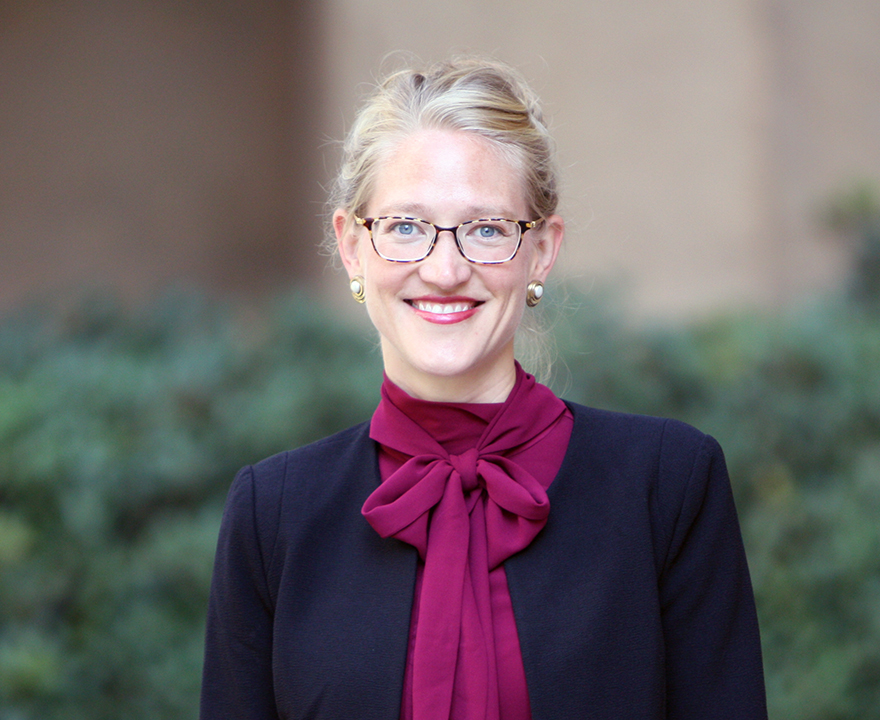
How can voters follow the money? How much difference does outside spending actually make in the outcomes of these races? And how much can candidates rely on grassroots donors to push back? Danielle M. Thomsen, a professor of political science at the University of California Irvine and author of the 2025 book, The Money Signal: How Fundraising Matters in American Politics, has spent years studying these questions. She sat down with Vox’s Rachel Cohen Booth to share expert insights.
Read in full on Vox.
-----
Would you like to get more involved with the social sciences? Email us at communications@socsci.uci.edu to connect.
Related News Items