


New research links local employment shocks to cognitive decline in older men
New research links local employment shocks to cognitive decline in older men
- May 8, 2026
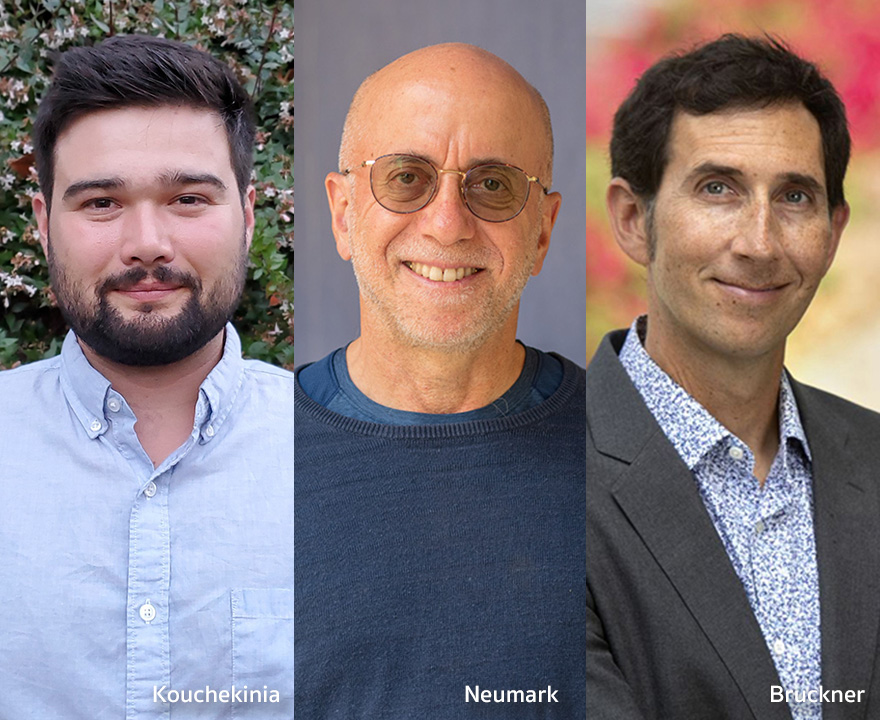
- Work by UC Irvine economists Noah Arman Kouchekinia and David Neumark, and Tim A. Bruckner, public health, featured in Science of Money
-----
“For decades, researchers have wondered whether staying on the job helps keep the mind sharp, or whether people who stay employed longer simply tend to be healthier to begin with. The question matters more than ever: dementia now affects around 6 million Americans, and a growing share of adults leave the workforce long before they reach traditional retirement age.
A new NBER working paper tries to sort out cause from correlation by looking at what happens to the cognition of older workers when the jobs around them disappear. The authors report that negative shocks to local labor demand are associated with meaningful drops in cognitive test scores, with the effects concentrated among men between the ages of 51 and 64.
Noah Arman Kouchekinia, David Neumark, and Tim A. Bruckner, all at the University of California, Irvine, set out to extend a line of research that has mostly focused on what happens when people retire in their mid-to-late 60s. Those earlier studies, which often used changes in Social Security or pension rules to isolate the effect of retirement, generally found that working longer is linked to slower cognitive decline.
But more than 32% of American men between 51 and 64 are not working, and signs of age-related cognitive decline can appear as early as age 40. The authors wanted to know whether leaving the workforce at these earlier ages, well before traditional retirement, is also linked to faster decline. Simply comparing workers to non-workers wouldn’t answer that question, because cognitive problems can cause people to leave jobs, and unmeasured factors like depression can affect both employment and cognition.”
Continue reading via Science of Money.
-----
Would you like to get more involved with the social sciences? Email us at communications@socsci.uci.edu to connect.
Related News Items
- Careet RightSome question whether a popular affordable housing policy is making the nation's home shortage worse
- Careet RightCalifornia tool to encourage low-income rentals may suppress new apartment construction
- Careet RightShould we bribe the NIMBYs?
- Careet RightGovernment regulations, AI and employment
- Careet RightEconomists have found an answer to slowing cognitive decline: Avoid retiring early, study finds