


New lecture series highlights social sciences research making a difference

New lecture series highlights social sciences research making a difference
- January 21, 2010
- Inaugural topics focus on applications of research in mind, brain and behavior; population and immigration; and local California politics
-----
UCI social scientists investigate issues that matter to society, from the wiring of the brain to the cultural implications of the wiring of the planet. Conducting both pure and applied research, they help us know what to do when things go wrong, or how to help out when things are going right. Their interdisciplinary research findings help spark innovative solutions to problems that impact the world around us. Whether it's the economy, transportation, family, social processes, the mind, international affairs, politics or culture, the work of UCI’s social scientists makes a difference.
With the launch of the school’s new expert speaker series, “Changing Perceptions, Making Connections,” we invite you to come learn how UCI social sciences research is making a difference in areas of mind, brain and behavior; population and immigration; and local California politics.
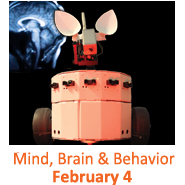


All events will be held in Social and Behavioral Sciences Gateway, Room 1517 from 7:00 - 9:00 p.m. with a reception preceding each discussion (bldg 214 on campus map).
The series is free and open to the public. Parking is available in Social Science Parking Structure for $8 (SSPS on campus map, grid D6).
Please RSVP to Rosemarie Swatez, rswatez@uci.edu or 949.824.2511.
-----
Would you like to get more involved with the social sciences? Email us at communications@socsci.uci.edu to connect.
Related News Items
- Careet RightThe questions beneath the equations
- Careet RightUC Irvine Department of Economics establishes Jan K. Brueckner Medal for Distinction in Economic Research
- Careet RightEstablishment-level evidence on California's fast-food minimum wage
- Careet RightAs companies leave California, is the state's $4.25 trillion economy really in trouble?
- Careet RightAn affinity for administration